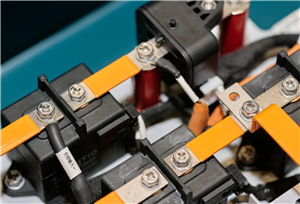
Selecting the right current sensor is a critical step in developing reliable electric vehicle battery systems. From measurement accuracy and thermal stability to supplier capability and customization support, every factor influences the final performance of the EV platform. As electric mobility continues to grow, high-quality current sensors will remain essential components for safer batteries, smarter energy management, and more efficient electric vehicles.
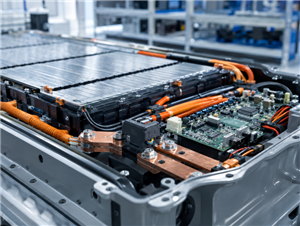
How Battery Current Sensors Improve Accuracy in Next-Generation EV Battery Monitoring Systems
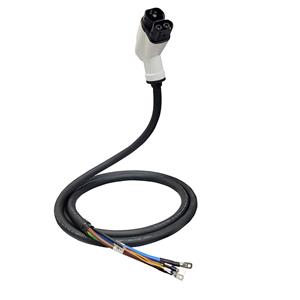
Battery current sensors are becoming increasingly important in next-generation electric vehicle battery monitoring systems. By providing accurate and reliable current measurement, these components help improve battery safety, optimize energy management, and extend battery lifespan. For EV manufacturers and procurement teams, selecting high-performance current sensing solutions and partnering with experienced suppliers is a key step toward developing safer, smarter, and more efficient electric mobility systems.
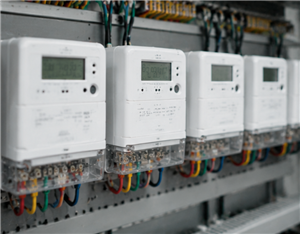
From Smart Meters to Electric Vehicles: OSWELL’s Expansion into Energy Measurement Solutions
The journey from smart meter technology to electric vehicle applications represents the continuous evolution of energy measurement solutions. Accurate sensing and reliable measurement technologies are becoming essential across every stage of the modern energy ecosystem. With experience in electrical measurement applications and a commitment to innovation, OSWELL continues to develop solutions that support smarter energy management, safer electric vehicles, and a more sustainable future.
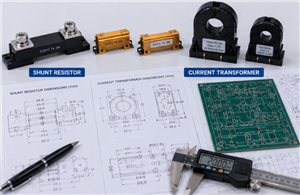
How To Choose Between Shunt Resistors And Current Transformers For Different Smart Meter Designs
Choosing between shunt resistors and current transformers for different smart meter designs requires more than a simple cost comparison. The right method depends on the project’s current sensing architecture, safety structure, thermal strategy, integration style, and long-term production plan. When buyers and engineers evaluate these factors together, they can choose a sensing method that supports not only the design target, but also smoother OEM execution and lower future risk.

Shunt Resistor Or Current Transformer: Which Current Sensing Method Is Better For Smart Meters
Shunt resistors and current transformers each offer clear advantages for smart meter design, but they support different priorities. Shunt resistors often stand out for economy, direct sensing, and compact integration. Current transformers often stand out for isolation-related advantages, magnetic sensing structure, and suitability in certain robust metering architectures. The better option depends on the actual meter platform, including cost target, thermal strategy, safety concept, integration method, and long-term reliability goals. By comparing both methods from a full system perspective, project teams can make a more practical and more reliable current sensing decision.
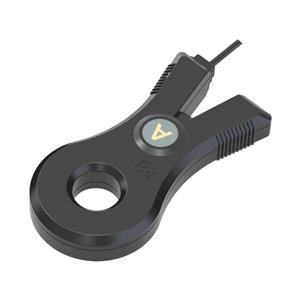
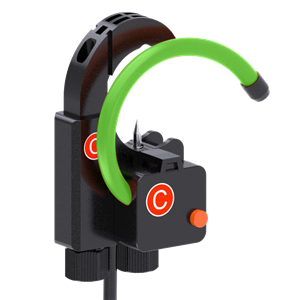
In the realm of power electronics and modern control applications, split core current sensors have emerged as indispensable tools. These innovative devices utilize their unique design to offer accurate and non-invasive current measurements without physically interrupting the electrical flow.
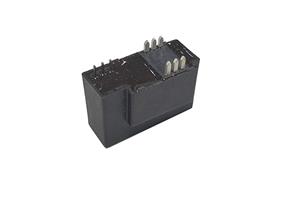
Hall effect current sensors have emerged as a groundbreaking technology in the field of electrical current measurement and monitoring. Built upon the principles of the Hall effect, these sensors provide accurate and reliable measurements of electric currents in various applications. In this article, we will explore the technical aspects of Hall effect current sensors, their working principles, benefits, and the latest advancements that have propelled their widespread adoption.
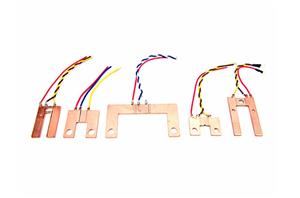
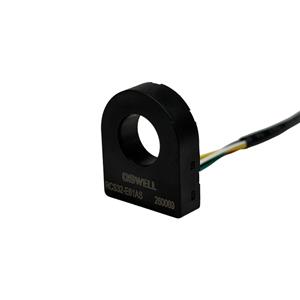
In today's increasingly digital world, the need for accurate and reliable current measurement has become paramount. Current sensors play a vital role in various electronic applications, providing insights into power consumption, energy efficiency, and system performance. In this blog post, we will delve into the significance of current sensors, their working principles, and explore their widespread use in different fields.
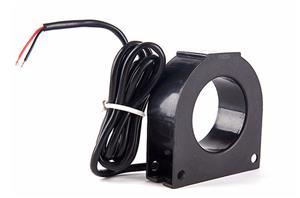
Dc leakage current sensor
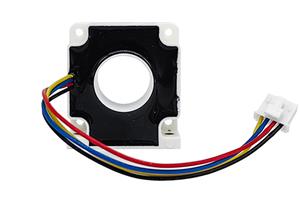
Split-core iron core current transformers are electrical devices used to measure high voltage currents. They can convert high currents into low current outputs and ensure that the current information is not lost during output. This type of transformer consists of an iron core and several coils, with the iron core able to induce current onto the coils which is then stepped down through the circuit.