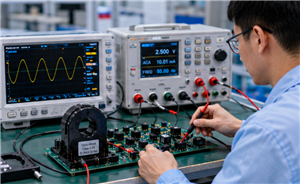
Choosing a current transformer for smart meter projects without causing accuracy problems requires more than checking rated current or one good sample result. The right CT should match the real operating range, burden condition, linearity target, mounting structure, insulation needs, and supplier batch consistency requirements of the project. When these points are reviewed together, buyers and engineers can reduce calibration trouble, avoid hidden measurement errors, and support more reliable long-term smart meter performance.
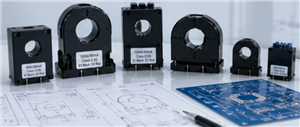
Buyers should provide clear application, electrical, dimensional, installation, safety, and project information before requesting a smart meter CT quote. Doing so helps the supplier recommend the right model faster, reduces repeated communication, improves quotation accuracy, and shortens the sampling and decision process. A better CT RFQ leads to a better quotation, and a better quotation usually leads to a smoother smart meter project.

main feature of intestinal sensor
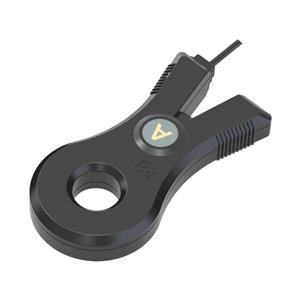
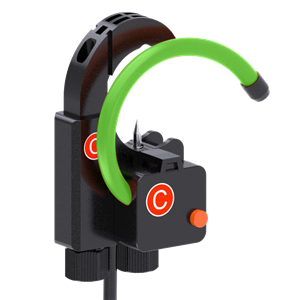
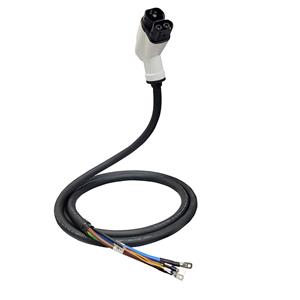
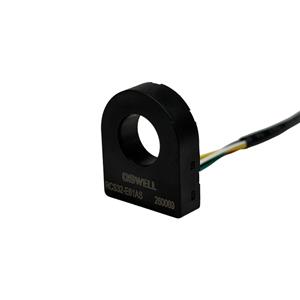
The current transformer is flexible in the secondary time. You can also use soft cables to plug a pins. It can be installed with a fixed lead.

Enterprises adapt to mobile office
In many work links, such as quotation, after-sales, logistics, etc., during the epidemic, we did not completely press the pause button, but all departments worked together and cooperated to promote the promotion and development of business and various tasks.

Magnetic core materials play a fundamental role in determining current transformer performance. Factors such as permeability, saturation characteristics, magnetic loss, and temperature stability directly influence measurement accuracy, reliability, and long-term operation. For smart meter manufacturers, industrial equipment OEMs, and procurement teams, evaluating magnetic core quality and supplier manufacturing capability is essential when selecting CT solutions. Working with an experienced current transformer manufacturer can help ensure consistent performance, reduce production risks, and support the development of reliable electrical measurement systems.
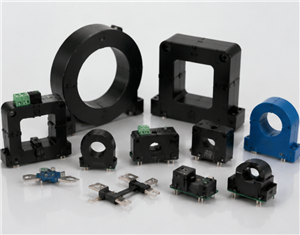
Current transformer design plays a critical role in improving the reliability and performance of modern smart meters. From measurement accuracy and temperature stability to production consistency and customization capability, every aspect of CT design influences the final product quality. For smart meter manufacturers and procurement teams, selecting an experienced current transformer supplier with strong engineering capabilities and reliable manufacturing processes can help reduce risks, improve product performance, and support long-term success in the smart energy market.
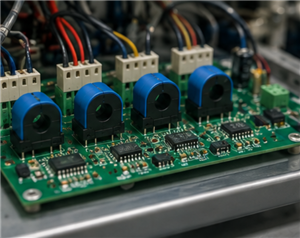
PCB-Mount vs Busbar-Mount Current Transformers: Which Design Is Better for Your Application?
PCB-mount and busbar-mount current transformers are designed for different integration requirements. PCB-mounted CTs offer compact installation and efficient assembly for electronic monitoring and smart metering products, while busbar-mounted CTs provide stronger mechanical integration for higher-current electrical systems. For OEM manufacturers and procurement teams, the best choice depends on current level, conductor design, installation space, assembly process, accuracy requirements, and production volume. Working with an experienced current transformer supplier early in the design stage can reduce integration risks and help create a more reliable and manufacturable final product.
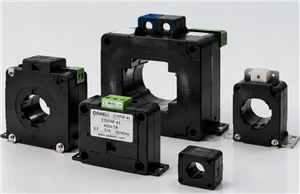
Current transformers are a fundamental component of real-time load monitoring in commercial and industrial power systems. By providing safe, accurate, and continuous current data, CTs help facilities understand electricity consumption, identify peak loads, detect abnormal equipment behavior, and improve energy management. For smart meter manufacturers, monitoring equipment suppliers, panel builders, and industrial procurement teams, selecting the right CT means considering not only current rating and accuracy, but also installation design, long-term stability, system compatibility, customization capability, and supplier consistency. A well-matched current transformer solution provides reliable measurement data that can support lower operating costs, better equipment management, and more intelligent power systems.
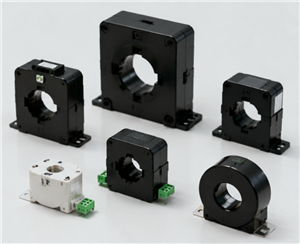
Selecting the right current transformer is essential for achieving accurate and reliable power measurement in smart meters and monitoring systems. Factors such as accuracy class, current ratio, environmental performance, and supplier capability all influence the final system performance. For smart meter manufacturers and global procurement teams, partnering with an experienced current transformer supplier can help build more reliable, efficient, and future-ready energy measurement solutions.
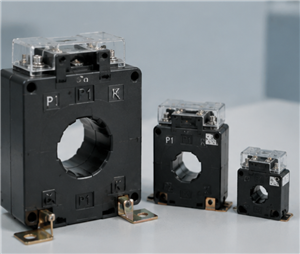
Both current transformers and current sensors play important roles in modern electrical measurement systems. Current transformers remain widely used in smart meters, power grids, and industrial monitoring applications, while advanced current sensors provide flexible solutions for electric vehicles, energy storage, and intelligent power systems. For manufacturers and procurement teams, understanding the differences between these technologies helps ensure the selection of the right measurement solution for each application. With the growth of smart energy and electrification, accurate current measurement technology will continue to be a key foundation for future energy systems.